
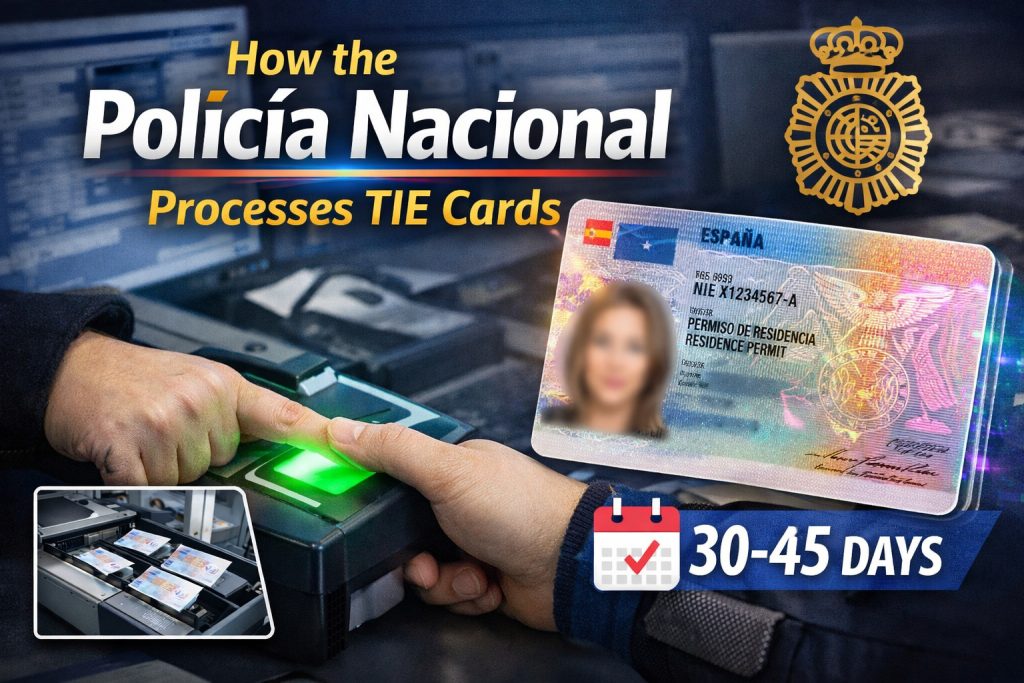
A Behind-the-Scenes Guide to What Really Happens After Your Appointment
When people search for information about their TIE card in Spain, they usually find checklists: documents, fees, fingerprints, and collection dates.
But very few articles explain what happens after you walk out of your appointment at the police station.
This guide goes behind the scenes and explains how the Policía Nacional actually processes TIE cards — step by step — from the moment your fingerprints are taken to the moment your plastic card is printed and ready for collection.
If you’ve ever wondered:
- Why does it take 30–45 days?
- What happens to my fingerprints?
- Who prints the card?
- Can the police refuse it after I’ve given fingerprints?
- Why do some provinces take longer?
This article explains everything — in depth.
First: What Is a TIE Card?
The TIE (Tarjeta de Identidad de Extranjero) is Spain’s biometric residency card for non-EU nationals and certain UK nationals under the Withdrawal Agreement.
It is:
- A biometric residence permit
- Linked to your NIE number
- Produced centrally
- Issued by the Policía Nacional
- Printed in credit-card format with embedded security features
The legal framework comes from Spanish immigration law (Ley Orgánica 4/2000 and related regulations), but the processing authority is the Policía Nacional, not the immigration office.
That distinction is important.
Stage 1: Your Immigration Approval (Before the Police)
Before the police are involved, your case has usually been approved by:
- The Oficina de Extranjería
- Or the Spanish Consulate (for visa holders)
- Or under Brexit Withdrawal Agreement provisions
At this stage:
✔ You have residency approval
✔ You have a NIE number
✔ Your data is in the immigration database
But you do NOT yet have a biometric residence card.
The police do not decide your residency.
They issue the physical card.
Stage 2: The TIE Appointment – What Happens at the Police Station


4
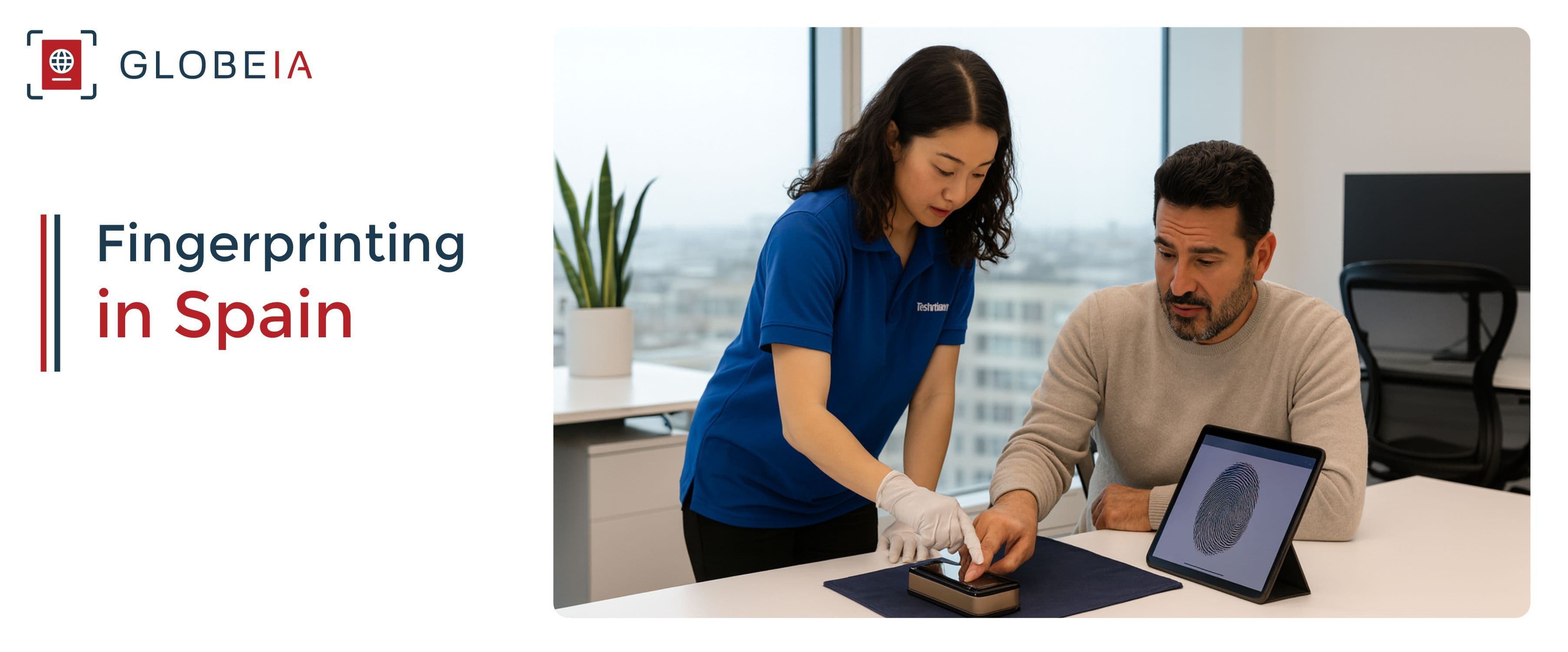
When you attend your TIE appointment (toma de huellas), the Policía Nacional officer:
1️⃣ Verifies Your Identity
They check:
- Passport
- Visa (if applicable)
- Immigration approval
- EX-17 form
- Fee payment receipt (Modelo 790)
They confirm your data in the immigration system.
2️⃣ Captures Your Biometrics
This includes:
- Digital fingerprints (all fingers)
- Digital signature
- Passport-style photograph (sometimes supplied, sometimes scanned)
Your fingerprints are stored in Spain’s biometric database.
This database is linked to:
- National ID systems
- Border control databases
- Criminal record systems
- EU information exchange platforms
The process is highly regulated under Spanish and EU data protection law.
3️⃣ Data Transmission
After fingerprints are taken, your file is digitally transmitted to a centralised card production system.
Here is what most people don’t realise:
Your local police station does NOT print your card.
It is produced centrally at a secure facility.
Stage 3: Centralised Card Production
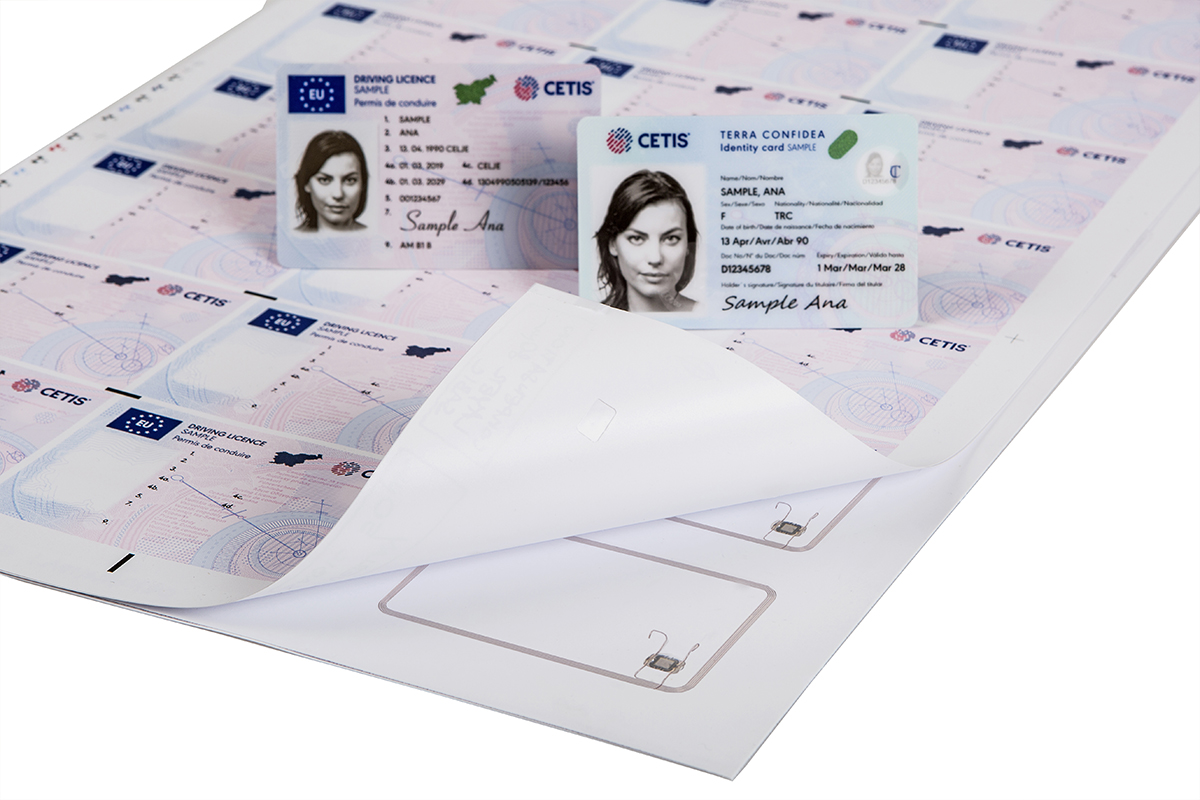
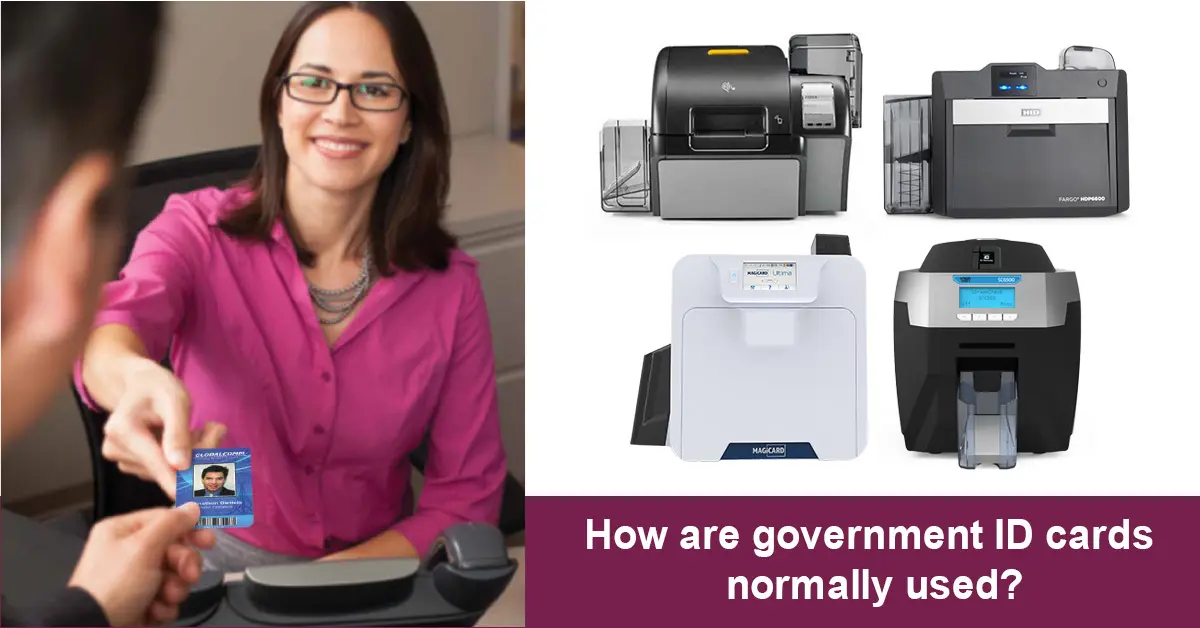

Once transmitted:
✔ Your data is validated
Automated systems verify:
- Residency status
- Validity dates
- Correct legal category
- Identity consistency
- Security flags
If there is a mismatch, the file can be paused.
Read how the police keep your data and biometric data safe
✔ The card is printed
The TIE is printed using:
- Polycarbonate material
- Laser engraving
- Embedded security holograms
- Machine-readable zone (MRZ)
- Encrypted biometric linkage
It is similar in security level to EU national ID cards.
✔ Security Encoding
The chip and printed data must match:
- Your NIE
- Your residency category
- Your expiry date
- Your biometric record
This is why errors are rare — but when they occur, they are serious.
Stage 4: Quality Control & Distribution
Before dispatch:
- Cards undergo automated quality checks
- Serial numbers are logged
- Security tracking is assigned
- Cards are grouped by province
They are then shipped securely back to your local police station.
This stage is one of the main reasons processing takes 3–6 weeks.
Stage 5: Arrival at Your Police Station
When your card arrives:
- It is logged into the local system
- Your file is updated
- Collection becomes possible
In most provinces, no email is sent.
You must check manually or attend after the standard waiting period.
Why Does It Take 30–45 Days?
There are several reasons:
🕒 1. Centralised Printing
All cards nationwide are processed centrally.
🗂 2. Volume
Spain issues hundreds of thousands of TIE cards annually.
🔐 3. Security Controls
Each card undergoes biometric validation and anti-fraud checks.
📦 4. Physical Distribution
Cards are shipped under controlled conditions.
Can the Policía Nacional Refuse the Card After Fingerprints?
Technically, yes — but rarely.
Possible reasons:
- Immigration approval was revoked
- Security flag triggered
- Identity discrepancy discovered
- Incorrect category assignment
- Administrative error
In most cases, fingerprinting means the card will be issued.
What If There Is a Mistake on the Card?
Common mistakes:
- Incorrect expiry date
- Wrong residency category
- Name spelling errors
- Typographical errors in NIE
You must report it immediately.
The police will initiate a correction procedure.
This requires reprinting.
Read more about Administrative Mistakes on Your TIE Card (And What to Do Immediately)
Provincial Differences: Why Some Areas Are Faster
Large provinces like:
- Madrid
- Barcelona
- Valencia
often have:
- Higher volume
- Longer waits
- Appointment bottlenecks
Smaller provinces may be quicker.
However, printing time is national — not local.
The Technology Behind the TIE
The TIE card includes:
- Laser-engraved photograph
- Holographic overlay
- Microtext security printing
- Encrypted biometric linkage
- MRZ code for border scanning
It is compliant with EU residence permit standards.
What Happens If You Don’t Collect It?
If you fail to collect your TIE:
- It may be held for a limited time
- It can be returned to central records
- You may need to restart the process
Always collect promptly.
Renewal Processing – Is It Different?
The process is similar:
- Residency must already be approved
- Fingerprints taken again
- New card printed
- Old card surrendered upon collection
Renewals are usually processed faster if there are no changes.
Behind the Scenes: The Human Side
The Policía Nacional extranjería departments handle:
- Residency cards
- Family reunification documentation
- Student permits
- Work permits
- Brexit Withdrawal cards
- Replacement cards
- Lost/stolen documentation
They manage high workloads with strict legal frameworks.
Officers do not set immigration policy.
They implement it.
Security and Data Protection
Your biometric data is:
- Protected under Spanish law
- Covered by EU GDPR
- Restricted to authorised systems
- Not publicly accessible
Misuse carries severe penalties.
What This Means for Applicants
Understanding the behind-the-scenes process helps you:
✔ Manage expectations
✔ Understand waiting times
✔ Avoid unnecessary panic
✔ Plan travel responsibly
✔ Respect appointment procedures
The process is structured, secure, and systematic — not random.
Frequently Asked Questions (SEO Optimised)
How does the Policía Nacional process TIE cards?
They collect biometrics locally, transmit data to a central facility, where the card is printed, validated, and returned to the issuing police station.
Does the police station print the TIE card?
No. Cards are printed centrally in a secure government facility.
Why does my TIE card take 30 days?
Because it must undergo biometric validation, central printing, and secure distribution.
Can I track my TIE card?
Generally, no formal tracking is available.
Is the TIE linked to my fingerprints?
Yes. It is a biometric residence card.
Can my TIE be refused after fingerprints?
Rarely, but it is legally possible if immigration status changes.
Final Thoughts:
The TIE process may feel bureaucratic, but behind the scenes it is:
- Digitally integrated
- Security-driven
- Centralised
- Standardised nationwide
When you attend your appointment, you are stepping into a national system designed for identity security and legal compliance.
Understanding this process removes much of the uncertainty.
And when you finally collect that card — it represents far more than plastic.
It represents lawful status, biometric registration, and entry into Spain’s administrative framework.
🔗 Official Government & Legal Sources
🇪🇸 Policía Nacional – Extranjería & TIE Information
Official information from the Policía Nacional regarding TIE appointments, fingerprints, and card collection.
👉 https://www.policia.es/_es/extranjeria.php
(Primary authority for TIE issuance)
🇪🇸 Ministerio del Interior
Spain’s Ministry of the Interior oversees the Policía Nacional and national ID systems.
👉 https://www.interior.gob.es/
(High authority trust signal)
🇪🇸 Ministerio de Inclusión, Seguridad Social y Migraciones
Official immigration authority responsible for residency approvals.
👉 https://www.inclusion.gob.es/
(Explains residence permits and immigration approvals)
🇪🇸 Sede Electrónica de Administraciones Públicas
Track immigration applications and check expediente status online.
👉 https://sede.administracionespublicas.gob.es/
(Useful for applicants waiting for approval before TIE processing)
🇪🇺 European Commission – Residence Permits
EU framework governing biometric residence permits and security standards.
👉 https://home-affairs.ec.europa.eu/policies/schengen-borders-and-visa/visa-policy_en
🇪🇸 BOE – Official State Gazette
Official publication of Spanish immigration law and regulations.
👉 https://www.boe.es/
(Search: “Ley Orgánica 4/2000 Extranjería”)
Internal Links
Guide to replacing a TIE CARD.